


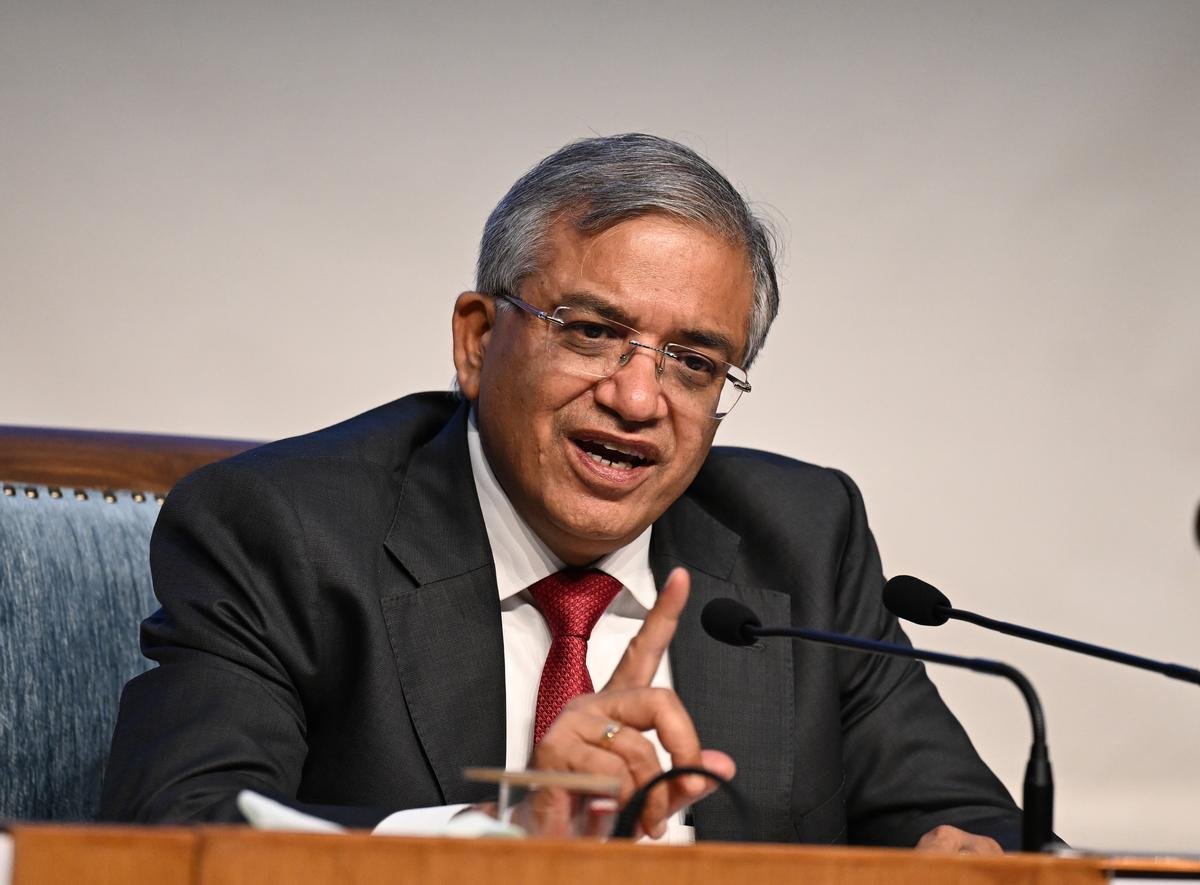


New Delhi, March 15, 2026 – In a high-stakes move that has set the political mercury soaring across India, the Election Commission of India (ECI) today unveiled the much-awaited schedule for Assembly elections in five poll-bound states and one Union Territory: Assam, Kerala, Puducherry, Tamil Nadu, and West Bengal.
The announcement, made during a press conference at Vigyan Bhawan this evening, kicks off what promises to be one of the most fiercely contested electoral battles of 2026, covering nearly 824 assembly constituencies and an estimated 17.4 crore voters.
Here’s the breakdown of the polling dates:
- Assam, Kerala, and Puducherry will vote in a single phase on April 9, 2026.
- Tamil Nadu will see voting across all constituencies in one go on April 23, 2026.
- West Bengal — the marquee contest watched nationally for its high drama and scale — will hold elections in two phases: April 23 (Phase 1) and April 29, 2026 (Phase 2).
Votes will be counted on May 4, 2026, for all five regions, with results expected to shape the political landscape ahead of future national contests.
The Model Code of Conduct has come into immediate effect in these states/UT, putting a freeze on major policy announcements, transfers, and other activities that could influence voters.
The five regions represent a diverse mix of political battlegrounds:
- In Assam, the BJP-led government under Chief Minister Himanta Biswa Sarma seeks a second straight term amid strong opposition from Congress and regional players.
- Kerala remains a traditional Left vs. Congress showdown, with the ruling LDF aiming to buck anti-incumbency trends.
- Tamil Nadu is set for a high-octane DMK vs. AIADMK+allies clash in a single-phase contest.
- West Bengal will test Chief Minister Mamata Banerjee’s TMC dominance against a resurgent BJP push.
- Puducherry, the smallest in the fray, often swings based on national winds and local alliances.
With over 2.19 lakh polling stations to be set up and elaborate security arrangements already in motion, the ECI emphasized foolproof arrangements, including webcasting, voter-verifiable paper audit trails (VVPAT), and accessibility measures for differently-abled voters.
Political parties have wasted no time in gearing up — campaign machinery is revving, star campaigners are being lined up, and alliances are being finalized in war rooms across these states.
The 2026 assembly polls in these five regions are being seen as a critical barometer of public mood midway through the current Lok Sabha term — and the opening salvo in what could be a defining year for Indian politics. Stay tuned — the battle for the ballot has officially begun!


